Inner Thigh Exercises At Home: Effective Routines for Men and Women Without Equipment
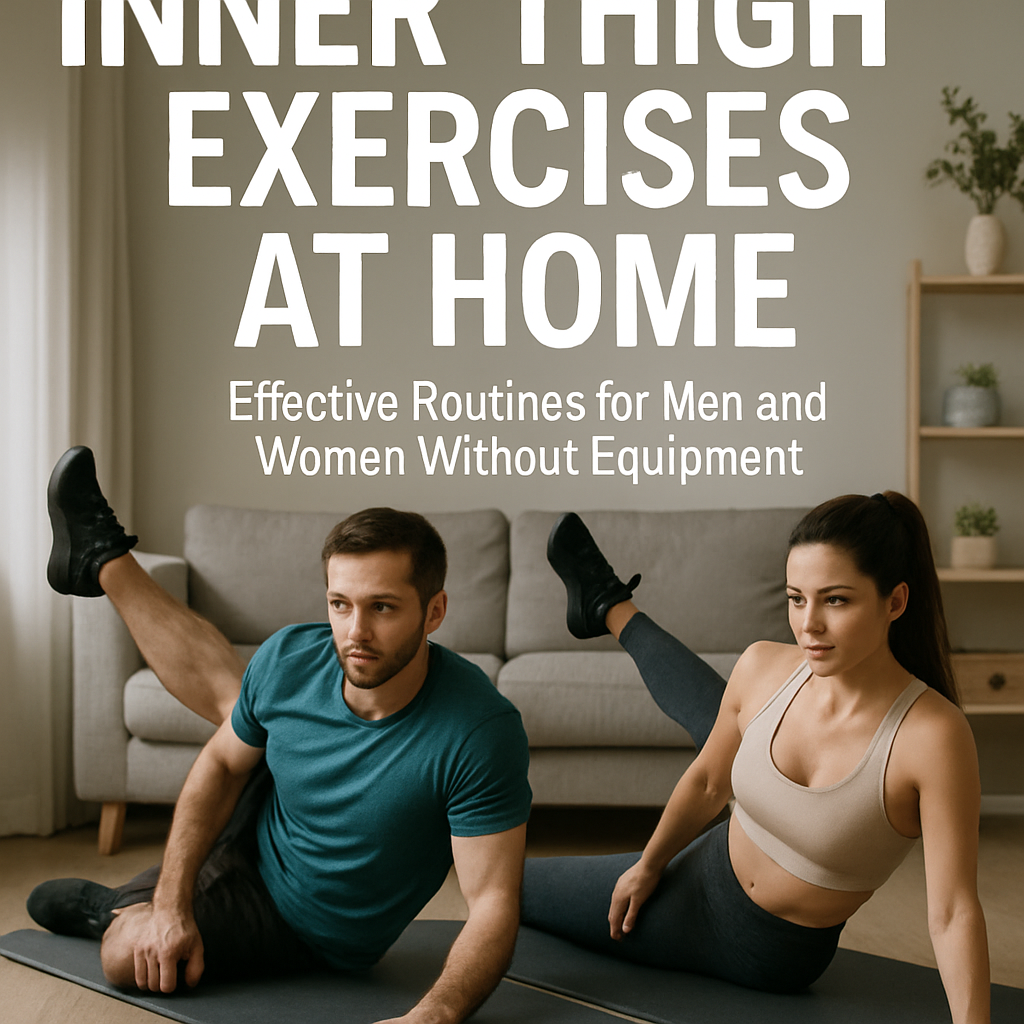
If you are seeking to strengthen and tone your inner thigh muscles without a gym or specialized equipment, there are practical and effective exercises you can do at home. These adductor-focused routines target both men and women, supporting better hip mobility, balance, and leg alignment. Performing inner thigh exercises regularly not only helps with aesthetics but also enhances overall leg function, posture, and injury prevention for all fitness levels.
Understanding the Importance of Adductor Strength for Leg Stability
The inner thigh muscles, collectively known as the adductors, play a pivotal role in stabilizing the pelvis and hip joints. Strong adductors help maintain proper leg and pelvic alignment, which is vital during activities such as running, cycling, and walking. Neglecting these muscles can lead to common issues like hip tightness and poor balance.
Adductor strength is especially important for those who spend a lot of time sitting, as this can create muscle imbalances and affect hip mobility. By focusing on this specific area, you can restore equilibrium in your lower body and support a greater range of motion. These exercises are straightforward and accessible, making it possible to achieve results from the comfort of your own home.
For guidance on the anatomy and benefits of adductor training, see Peloton's inner thigh exercise overview.
How to Tighten and Tone Thighs at Home: No Equipment Needed
You do not need complicated gym machines or expensive weights to activate and tone your inner thighs. Bodyweight moves such as side-lying leg lifts, sumo squats, and standing adduction are highly effective. These exercises specifically engage the muscles from your knee up to the hip, challenging your lower body while remaining gentle on the knees and joints.
The best approach is to combine a range of movement patterns, targeting the inner thigh from multiple angles. For men, these exercises can enhance athletic performance and support functional strength. For women, regular inner thigh workouts can build lean muscle and contribute to a more balanced lower-body physique.
Progressively increase the number of repetitions or the range of motion as you become stronger. This will ensure consistent muscle engagement and adaptation over time.
Common Movement Patterns to Target Adductor Muscles
There are several fundamental patterns to challenge the adductors, many of which can be done in your bedroom or living room space. Select from the following principles for a varied at-home regimen:
- Lateral Lifts: Isolate the inner thigh by lifting one leg sideways while lying down or standing. This move directly contracts the adductor longus and magnus.
- Wide-Stance Squats: By turning your toes out and sinking into a deeper squat (similar to a sumo stance), you target the groin and upper inner thigh.
- Banded or Unweighted Squeezes: Placing a soft object or a pillow between your knees and squeezing helps to activate multiple adductor muscles. Use a resistance band if you wish to add challenge, as described in this detailed WebMD exercise guide.
Vary your tempo and stance width to maximize muscle recruitment and periodic stretching for flexibility improvements.
Tips for Beginners: Safe Progression and Preventing Inner Thigh Pain
If you are new to inner thigh exercises at home, prioritize gradual progression and listen to your body for feedback. Start with basic bodyweight moves, perfecting your form before increasing intensity. Should you experience sharp pain, especially along the groin or inner knee, pause and reassess your technique. Mild muscle soreness—often a burning sensation or throbbing—is normal, but persistent pain may indicate a strain or overuse.
Stay mindful of your overall posture and core engagement during these exercises. Balanced muscle activation prevents shifting weight excessively to the outside of your body, which can undermine inner thigh development. To support long-term progress, include gentle adductor stretches and allow for adequate recovery between sessions.
If you notice ongoing symptoms such as swelling, nerve tingling, or discomfort while walking, consult a medical professional to rule out conditions like muscle tears or potential blood clots.
Most people see measurable improvements in strength, mobility, and thigh tightness within two weeks of consistent practice.
Frequently Asked Questions: Anatomy, Relief, and Benefits for At-Home Training
Which muscles make up the inner thigh? The adductors—consisting of the longus, brevis, magnus, gracilis, and pectineus—form the core of the inner thigh. They are responsible for drawing your legs inward and supporting pelvic stability.
Can these exercises help with tightness or pain? Yes. Gentle strengthening and stretching can improve muscle elasticity, support blood flow, and offer relief for mild tension. However, chronic pain may require specific treatment or physical therapy.
How often should I train? Aim for 2 to 3 sessions per week, allowing a day of rest between workouts to promote muscle repair and minimize injury risk. This frequency balances muscle activation with recovery needs.
Explore more routines and expert-backed advice in this Nike guide to inner thigh strengthening for additional strategies and variations.
Integrating inner thigh exercises at home into your routine supports stronger, more balanced legs and enhances daily functional movement for both men and women.


Comments
Post a Comment