15 Day Gut Cleanse: Natural Remedies for Indigestion, Bloating, and Gastrointestinal Health
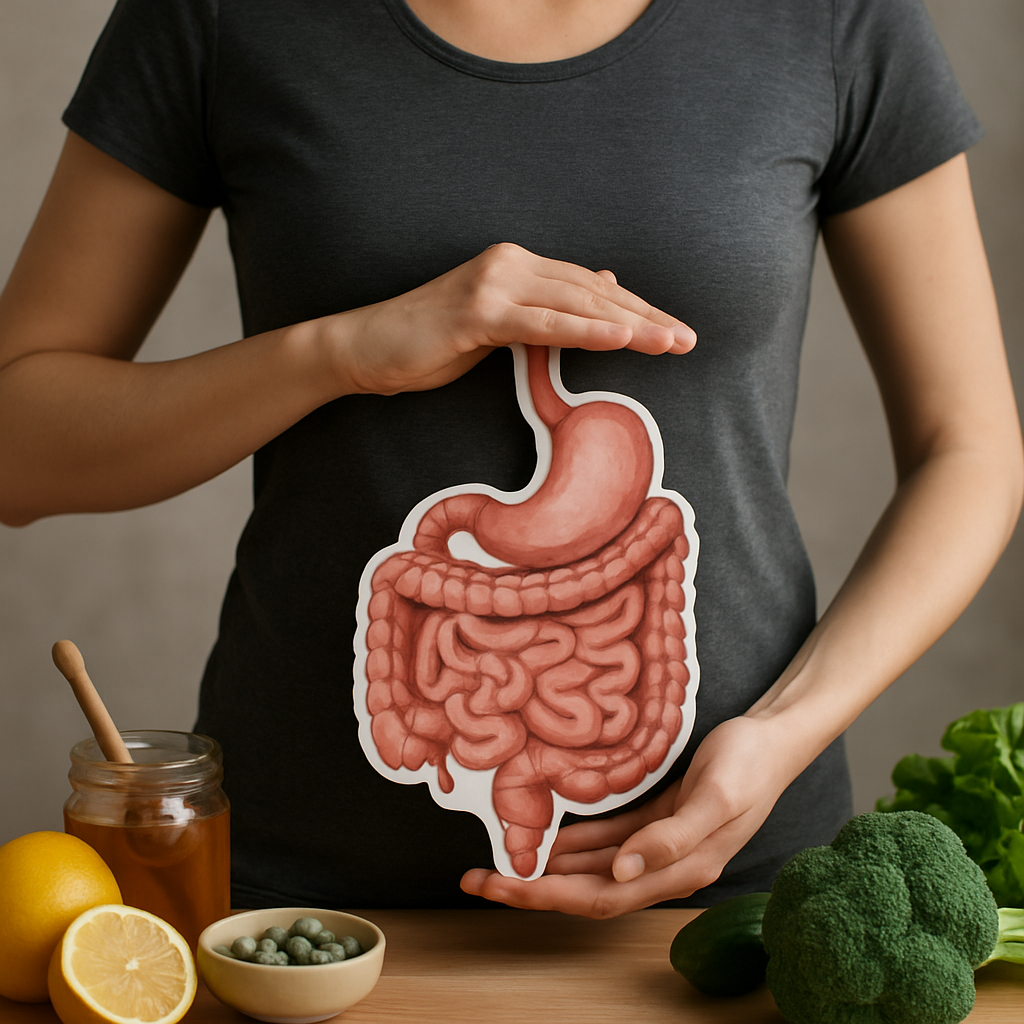
Understanding a 15 Day Gut Reset: How Natural Methods Address Indigestion and Bloating
If you are seeking a focused 15 day gut cleanse to help with indigestion and gastrointestinal discomfort, evidence-based dietary and lifestyle changes are your best ally. A short-term reset emphasizing plant diversity, natural foods, and specific strategies can support healthy gut flora, reduce bloating, and improve digestion. The key is to prioritize sustainable foods and habits that naturally restore your gut environment without harsh laxatives or unproven shortcuts. This guide offers practical steps and targets common symptoms using respected, science-backed advice.
Unlocking Gut Health: Fiber, Plant Foods, and Microbiome Diversity
Dietary fiber is the foundation for a healthy gut, as it feeds beneficial bacteria and helps maintain bowel regularity. During a gut cleanse, prioritize a spectrum of whole plant foods such as fruits, vegetables, legumes, whole grains, and nuts. These choices increase fiber intake, which has been associated with reduced risk of inflammation, constipation, and even colorectal cancer (Better Health Channel).
The best results occur when you vary your plant-based foods — strive for at least 30 different types in these 15 days. This variety encourages a more diverse gut microbiome, linked to improved digestion and reduced symptoms like bloating or pain. Include foods that are rich in soluble and insoluble fiber such as oats, lentils, apples, and leafy greens.
Legumes like beans and lentils not only offer fiber and protein but can specifically help support gut motility. Rinsing canned versions is recommended to limit salt; incorporating them in soups or salads is effective for boosting gut-friendly nutrients (UnitedHealthcare).
Minimizing Ultra-Processed Foods and Their Impact on Digestion
Processed foods interfere with microbial diversity and often contribute to issues like bloating, indigestion, and irregular bowel habits. During your cleanse, focus on minimally processed options as close to their natural state as possible. Frozen or fresh vegetables, whole grains, and plain legumes are better choices over refined grains, packaged snacks, and artificially sweetened products.
Even foods marketed as healthy, such as fruit-flavored yogurts or protein bars, can be highly processed. Carefully read labels for added sugars and emulsifiers, which may disrupt gut bacteria balance. Instead, select products with a short ingredient list and opt for whole foods as snacks or meal bases, combining fruits, grains, and seeds where possible.
Remember that processed condiments and sauces can harbor hidden sugars and salt, so favor herbs, olive oil, or citrus zest when flavoring your meals on a gut cleanse plan.
Limit packaged foods with ingredients you cannot recognize; natural eating supports a gentle yet effective digestive reset.
Incorporating Fermented Foods and Their Effects on Gastrointestinal Function
Fermented foods, made through bacterial and yeast action, introduce live microorganisms that may support balance in your gut microbiome. Adding items such as unsweetened yogurt, kefir, kimchi, sauerkraut, and miso into your meals can promote a healthy gut environment, potentially helping alleviate persistent bloating and indigestion (Better Health Channel).
When shopping for yogurt, select varieties with live active cultures and no (or minimal) added sugar. Natural fermentation, not artificial flavorings, brings the digestive benefits. Enjoy a spoonful of kimchi or sauerkraut with your meals, or try miso broth as a warming, gut-friendly snack.
Introduce fermented foods slowly if new to your diet, monitoring your tolerance. Some individuals report improved regularity or reduced gas, while others may be more sensitive to the increased bacterial load.
Mindful Eating Techniques and Digestive Comfort
How you eat is as important as what you eat for supporting gut health. Chew each bite thoroughly, take time to enjoy your meals, and avoid rushing — this gives your digestive enzymes a chance to work optimally and lessens the risk of bloating or discomfort (Better Health Channel).
Eat in a calm environment, sitting upright to encourage food to move smoothly through your system. Practice conscious breathing between bites, and avoid large gulps of water during meals, which can dilute stomach acid and disrupt proper digestion.
Adjusting your meal timing — for instance, finishing dinner at least two to three hours before bed — offers your body a restorative overnight "mini fast" that further supports gut repair and regularity.
If indigestion or discomfort persists, keeping a food and symptom journal during your 15 day cleanse can reveal hidden triggers and patterns.
Ultimately, combining dietary diversity, high-fiber and fermented foods, minimal ultraprocessed intake, and mindful eating creates a holistic foundation for reducing indigestion, easing bloating, and supporting gut harmony.


Comments
Post a Comment