Left Side Gut Pain: Causes, Home Remedies, and Natural Strategies for Relief
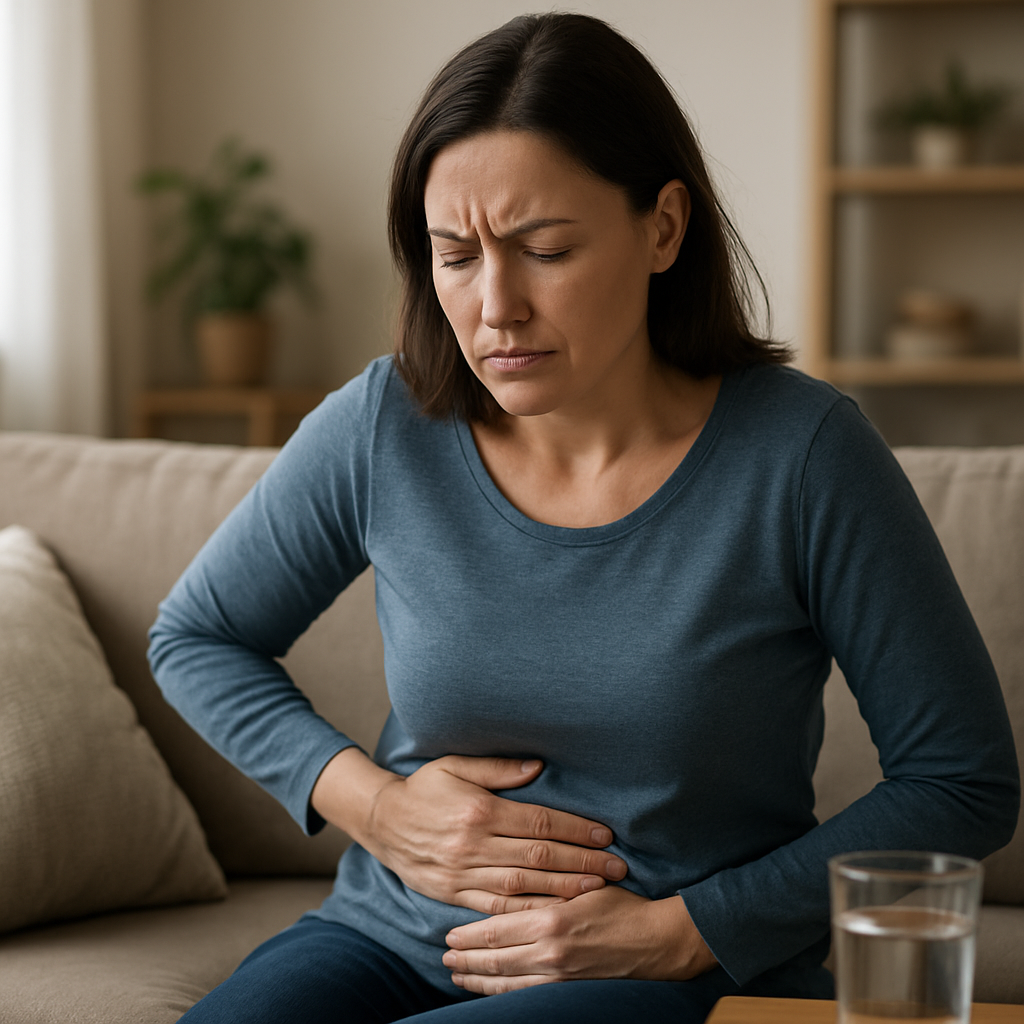
Understanding the Causes of Left Side Gut Pain
If you are experiencing gut pain on your left side, it is essential to recognize that this may be due to a wide range of underlying conditions. The pain can stem from digestive issues such as constipation, colitis, gastritis, or even problems involving the spleen, kidneys, or reproductive organs. Severe, persistent pain should always prompt a visit to a healthcare professional, particularly for elderly individuals or those with compromised immune systems. For many, common causes include diverticulitis, kidney stones, or inflammatory bowel disease, though muscle strain, hernias, or even left-sided appendicitis are possible sources. Learn more about potential causes of left abdominal pain.
Understanding the root cause is vital, as left-sided gut pain may sometimes indicate a mild issue like gas and bloating, while at other times it signals a medical emergency. Being aware of accompanying symptoms such as fever, vomiting, or noticeable lumps can help narrow down the likely causes and stress the importance of prompt medical evaluation if needed.
Additionally, common digestive disorders like irritable bowel syndrome (IBS) or chronic constipation can also lead to discomfort in the lower left abdominal area. Triggers can range from dietary changes to stress, making a detailed history and medical assessment critical for getting to the right diagnosis.
Recognizing Symptoms and When to Seek Medical Attention
Left-sided abdominal pain may be accompanied by various symptoms, helping differentiate minor from serious conditions. Watch for warning signs such as abdominal swelling, persistent vomiting, inability to have bowel movements, or fever. A visible lump may indicate a hernia, while severe tenderness or sudden, intense pain could suggest issues like a ruptured organ, kidney stone, or bowel obstruction.
Acid reflux and gastritis frequently cause upper abdominal discomfort, which can radiate towards the left side. Meanwhile, women may notice pain linked to ovarian cysts or other gynecological factors. If your gut pain is episodic, linked to certain foods, or accompanied by changes in bowel habits, common causes may include IBS, constipation, or dietary intolerances.
Immediate medical attention is recommended if the pain is severe, sudden in onset, or associated with high-risk factors. For comprehensive information on when to see a doctor for these symptoms, visit this resource.
Natural Remedies and Home Strategies for Relief
For those experiencing minor or intermittent left side gut pain, several natural remedies may offer relief. Staying hydrated supports digestive health and helps prevent constipation. Incorporating fiber-rich foods, like whole grains, fruits, and vegetables, can also ease bowel movements and decrease discomfort.
Fermented foods, such as yogurt, kefir, and sauerkraut, promote healthy gut bacteria and may reduce bloating and symptoms of leaky gut. Bone broth is another nourishing option that can soothe gastritis or mild inflammation and support overall digestive repair.
If stomach acidity or heartburn is contributing to left side pain, try home approaches such as avoiding heavy or spicy meals, elevating the head when lying down, and eating smaller, more frequent meals. Over-the-counter remedies like antacids may offer temporary relief, but persistent symptoms require professional evaluation.
Supplements and Foods for Gut Healing
L-glutamine, an amino acid, plays an important role in intestinal health and can be used as a supplement to promote gut lining recovery, especially for those with leaky gut or after digestive illness. Probiotic supplements and foods foster beneficial microbiome balance, which may help in managing mild bloating, upset stomach, or irregular bowel patterns.
Bone broth contains collagen and minerals that can be gentle on the gut and promote tissue healing. Fermented foods provide natural sources of probiotics, while a diet low in processed foods and high in fresh produce supports regularity and may ease inflammation in people with mild colitis.
For occasional constipation, gentle natural laxatives like prunes or magnesium-rich mineral waters can encourage healthy elimination. Avoid overusing stimulant laxatives, as these can create dependency and further disrupt gut health.
When Diet and Natural Remedies Are Not Enough
While home and nutritional strategies can help with mild gut pain, persistent or severe symptoms may need a more thorough medical evaluation. If you notice blood in your stool, ongoing diarrhea, severe cramping, or unintended weight loss, visit a healthcare provider right away. These could indicate underlying issues such as inflammatory bowel disease, stomach ulcers, or more serious conditions like bowel obstruction or infection as described in medical guidelines.
Remember that certain individuals, especially the elderly or immunocompromised, face a higher risk of complications from abdominal conditions. Prompt medical attention can help prevent worsening of the underlying problem and lead to faster recovery.
Consulting a healthcare professional is particularly important if the pain is sudden, severe, or disruptive to your daily activities. Timely intervention can make a significant difference in outcomes for more serious digestive or abdominal health issues.
By staying attentive to your body, leveraging safe at-home solutions, and knowing when to seek help, you can better manage left side gut pain and support long-term digestive health.


Comments
Post a Comment