How to Approach the Tina Jones Neurological Shadow Health Assessment and Plan Documentation
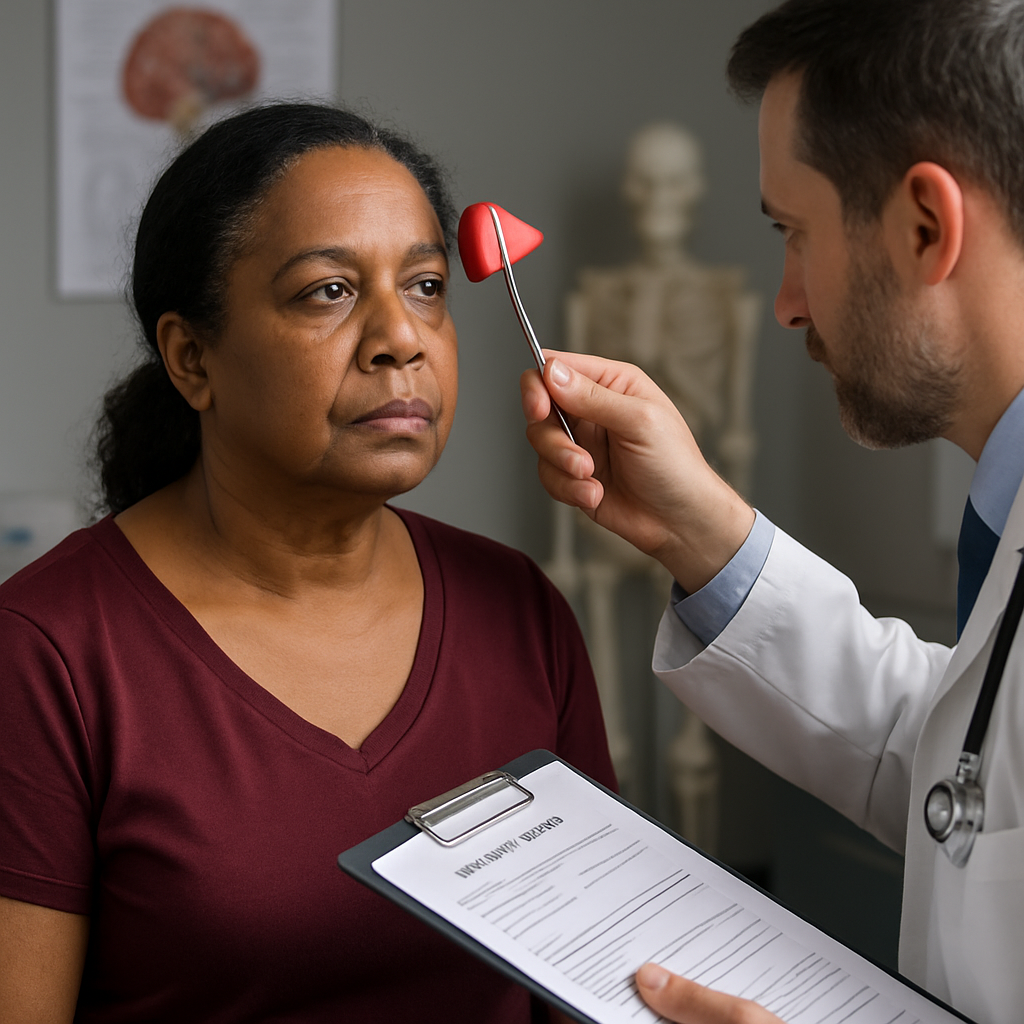
Understanding the Objective of the Tina Jones Neurological Assessment
The Tina Jones Neurological Shadow Health Assessment and Plan is a realistic simulation designed to build clinical reasoning in students. The primary goal is to document neurological findings, develop a focused plan, and answer assessment questions using structured documentation as practiced in real exam and nursing settings. Immediately, you will need to identify abnormal findings—such as Tina's right eye vision changes and retinal anomalies—as a foundation for your subsequent plan and clinical reasoning (source).
Essential Components of the Neurological Assessment Documentation
To complete your assessment on Tina Jones, documentation must include subjective and objective data, drawing from formats seen in Shadow Health quiz modules and Jarvis summaries. Begin with the patient's history of present illness, review of systems, and relevant subjective findings (such as the patient reporting headaches or vision changes). Use tools like the Glasgow Coma Scale (GCS) to quantify level of consciousness as part of the general instruments tray employed in exams.
In the objective portion, be thorough in recording the findings that stand out—such as right eye vision acuity of 20/40, cotton-wool spots on the retina, or any noted motor, sensory, or reflex changes. Reference established documentation types, and use concise notations as found in formal shadow health PDFs or assignment samples.
Clinical rationale must connect abnormal findings with possible diagnoses, facilitating a pathway towards a meaningful conclusion and plan that aligns with the scenario's focus (SOAP example).
Interpreting Findings: Orientation, GCS, and Visual Changes
Interpretation of Tina's assessment requires attention to both normal and abnormal neurological findings. For example, assessing orientation—date, place, and person—establishes cognitive baseline. The Glasgow Coma Scale is vital in rapid assessments, especially with reports of decreased responsiveness or visual change. A right eye acuity of 20/40 with cotton-wool spots signals possible retinal or microvascular pathology that should prompt further review and investigation.
Document these findings immediately in your system—for instance, writing: 'Ophthalmoscopic exam: cotton-wool bodies present, R eye, vision 20/40.' You should include a focused neurological battery, covering reflexes, muscle strength, and cranial nerve exam, following protocols demonstrated in NSW or QLD summary notes for thoroughness.
Such findings serve as data points in your overall plan and contribute to safe patient management and communication between healthcare providers.
Use clinical images and diagrams, when available in the documentation tray, to support and substantiate your findings—always annotating clearly for rationale and reference.
Developing an Effective Plan: Integration with Documentation and Assessment Questions
Building your plan for Tina Jones should incorporate neurological assessment questions pulled from your Shadow Health assignment and reference transcript documentation. Address primary issues first—document interventions for vision changes and potential risk for further neurological decline.
Next, anticipate possible diagnoses based on current objective data: For example, retinal findings may indicate diabetic changes, requiring careful medical management. Recommend additional imaging, lab work (such as glucose and inflammatory markers), and patient education on warning symptoms.
You should always detail patient monitoring intervals, specify follow-up with specialists, and include rationale for these recommendations, as modeled in formal Shadow Health and HESI pathway assignments.
Summary Notes and Conclusions: Ensuring Clear Communication
Finally, synthesize your findings and plan in clear summary notes to facilitate communication among clinical teams and maintain continuity of care. Use templates from ATI, slideshare, or NHS examples to guide concise, structured recording of Tina's case (see example).
Summaries must reference the assessment’s key data—abnormal right eye findings, orientation status, and the clinical trajectory. This approach provides a logical conclusion, tying together subjective complaints, documented exam findings, and an actionable plan for ongoing care.
By adhering to these structured methods, you ensure safety, clarity, and professionalism throughout your Tina Jones Neurological Shadow Health case study documentation.


Comments
Post a Comment