What are the African Blue Basil Benefits in Ayurveda and Healthy Plant-Based Food?
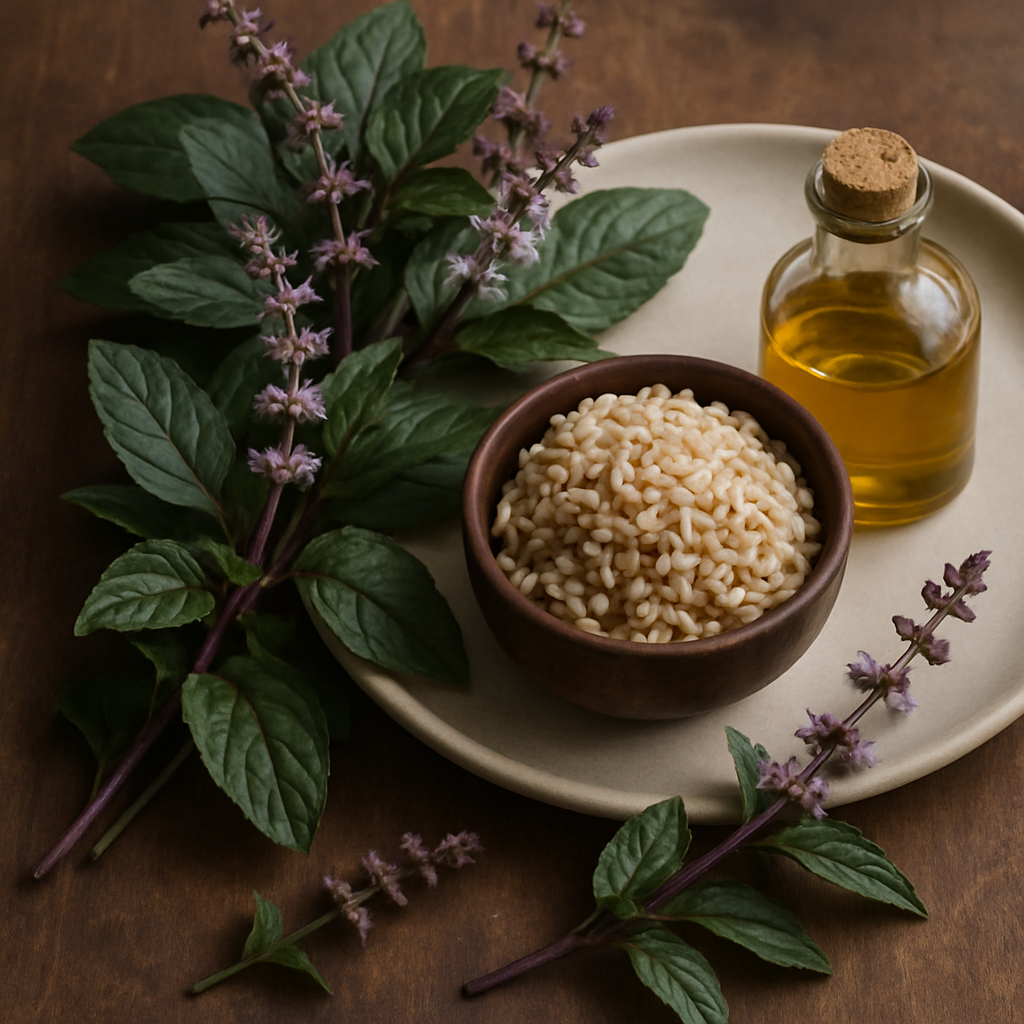
Understanding the Value of African Blue Basil in Gut and Immune Health
African Blue Basil offers a remarkable range of health-promoting properties, celebrated in both Ayurveda and modern nutritional science. This unique herb supports digestion, immune balance, and detoxification, making it a vital addition to healthy plant-based food routines. Its aromatic oils and bitter phytonutrients work synergistically to address gut discomforts, promote microbial diversity, and enhance the body's defense mechanisms. If you are seeking natural solutions that bridge traditional wisdom with current functional health approaches, African Blue Basil stands out as a potent botanical ally.
Traditional and Medicinal Uses Rooted in Ayurveda
In Ayurvedic tradition, African Blue Basil is recognized for its sacred, purifying, and warming qualities. The herb has long been incorporated into spiritual practices and healing rituals thanks to its uplifting aroma and ability to invigorate the body and mind. Ayurveda holds that regularly consuming fresh basil, especially in a raw form, can gently reshape internal health, helping to calm overactive immune responses and reduce inflammation.
Basil blends harmoniously with other medicinal spices and herbs often found in Ayurvedic recipes, enhancing the flavor profile of plant-based dishes while delivering therapeutic effects. When prepared into chutneys, teas, or as raw microgreens, African Blue Basil provides both culinary delight and holistic health benefits.
Many households use African Blue Basil as part of daily food rituals to bolster immunity, support digestion, and restore balance in the gut-brain axis. Its bitter and aromatic substances offer bioactive support for liver function and help relieve occasional gas or bloating.
Active Plant Compounds and Their Effects on Health
The health benefits of African Blue Basil are owed to its impressive profile of phytochemicals, including aromatic oils, camphor-like compounds, and potent antioxidants. The purple plant leaves and delicate flowers contain natural anti-inflammatory agents, which can help soothe the gastrointestinal tract and promote regularity.
Research highlights African Blue Basil's impact on modulating immune activity and promoting detoxification pathways. Its phytonutrient content also plays a part in maintaining microbial balance in the gut, an essential factor in whole-body health according to both Ayurveda and modern nutrition perspectives. Using the leaf and flower in raw or lightly processed forms preserves these compounds and maximizes health outcomes, as noted by Nourishing Meals.
The unique hybrid heritage of African Blue Basil, crossing Ocimum kilimandscharicum and 'Dark Opal' basil, provides a flavor and therapeutic profile distinct from common sweet or Genovese basil. Its camphor notes make it suitable not only for culinary seasoning but also as an uplifting herbal tea for digestive comfort.
Home chefs can blend African Blue Basil into Mediterranean-style food or Indian-inspired chutneys, leveraging its vibrant taste and medicinal uses. Freezing with olive oil—as mentioned in Mountain Valley Growers—allows for year-round enjoyment and access to its well-preserved phytonutrient benefits.
Culinary Applications: From Raw Microgreens to Fermented Foods
One of the greatest appeals of African Blue Basil is its adaptability in healthy plant-based cooking. The leaves possess a hint of spiciness balanced by a subtle sweetness, making them ideal for fresh microgreens, salads, tea infusions, or chutney. Chefs often favor this basil for its uniquely colored purple leaves, which add visual appeal as well as nutritional punch to any dish.
African Blue Basil does not dry well, but retains its flavor and potency when pureed with olive oil and frozen in small portions. This makes it especially valuable in raw food diets or when you want to capture the herb's full spectrum of gut-healing properties. Blending basil into plant-based spreads, vinaigrettes, or topping sprouted lentil dishes introduces living enzymes and phytonutrients beneficial for digestion and vitality.
For those interested in fermentation, incorporating African Blue Basil into lacto-fermented chutneys or pickles can boost probiotic content, adding another layer of support for the gut microbiome. Households seeking food-based avenues to enhance their health will find this option aligns well with both traditional and modern principles.
Its application extends to healthy drinks as well, where the aromatic notes infuse herbal teas or can even be used to flavor water—with numerous plant-based health advantages for those seeking to transition away from sugar-laden beverages. The versatility of African Blue Basil ensures it remains a nutritious staple across diverse culinary and wellness routines.
Integrating African Blue Basil for Long-Term Wellness
Adopting African Blue Basil into daily food practices can fortify the foundation for long-term well-being and healthy aging. Regularly consuming this herb through raw salads, Ayurvedic chutneys, or as part of microgreen blends provides not only immediate digestive relief but may help cultivate resilience in immune and liver function over time. According to NC State University, both the leaves and flowers are fully edible, making it easy to incorporate the plant into a wide variety of food preparations.
This basil variety is also an excellent choice for home gardeners seeking medicinal plants with robust health profiles. Its tall stems, beautiful edible flowers, and resilience make it easy to include in small kitchen gardens or herb pots. The plant's role in Ayurveda goes beyond physical health, touching on spiritual and emotional wellness via its warming, uplifting energy.
By choosing African Blue Basil in place of common basil cultivars, households can diversify their nutritional intake and embrace time-honored traditions that nourish the body holistically. It can be particularly beneficial for those interested in plant-based lifestyles, liver support, and gentle, food-based approaches to maintaining overall health.
Whether as a flavorful garnish, digestive tea, or a key ingredient in healthy plant-based food, this unique basil brings together the best of medicinal use, culinary delight, and tradition.
Integrating African Blue Basil in your weekly meals and rituals offers accessible, lasting benefits for the gut, immune system, and holistic health.


Comments
Post a Comment