Left Side Gut Pain: Causes, Motility, and How Fermented Foods May Help
Understanding the Main Reasons for Discomfort
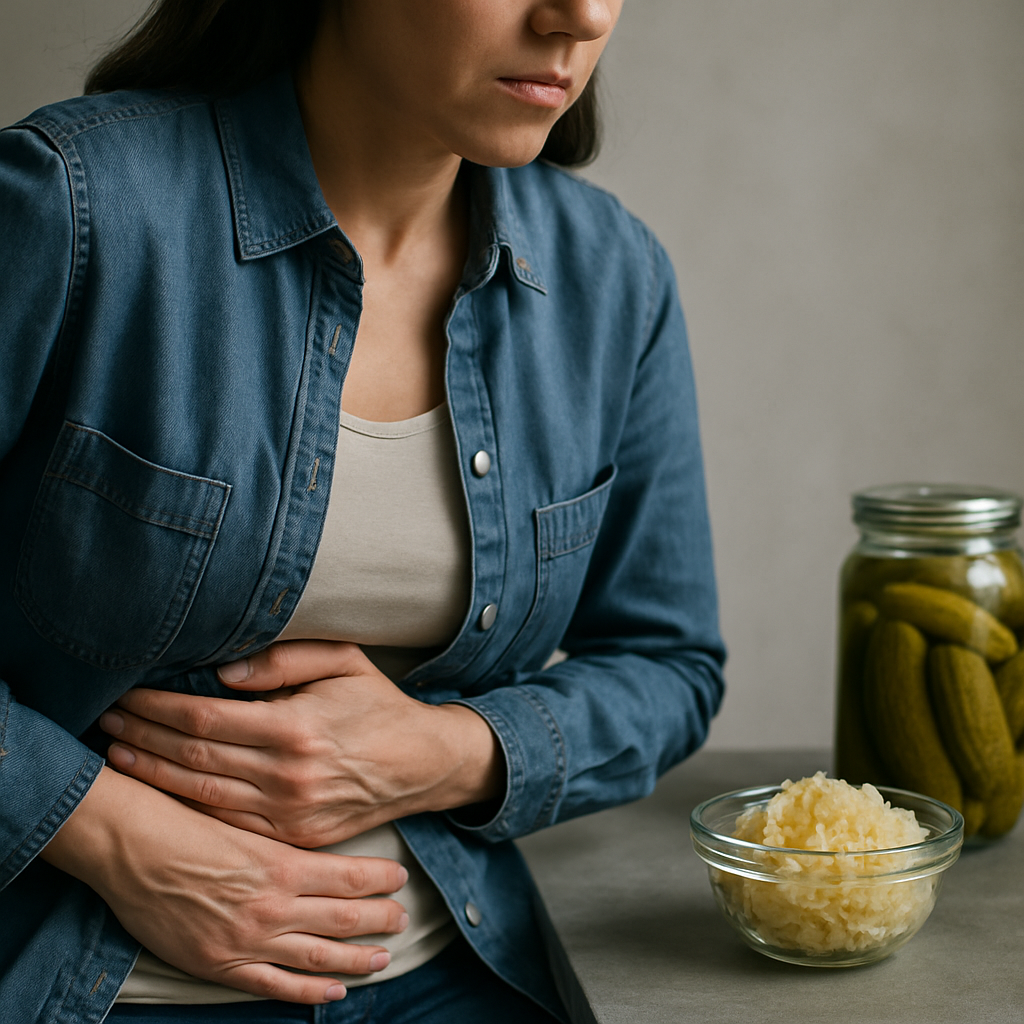
Left side gut pain is a common concern that can be caused by digestive system issues, inflammation, or lifestyle habits. The most direct answer is that discomfort in this region often stems from problems such as constipation, irritable bowel syndrome, or diverticulitis. Getting to the root cause quickly is important to relieve symptoms and prevent more serious complications. Recognizing whether gut pain is transient or ongoing helps determine if simple nutritional changes—including motility boosters and the addition of fermented foods—are likely to be effective for symptom management and recovery.
Pain located on the left side of the abdomen frequently relates to the colon, especially the descending and sigmoid segments. Issues such as trapped gas, stool buildup, or infections can all contribute. If pain is severe, persistent, or accompanied by symptoms like fever, vomiting, or blood in the stool, prompt medical evaluation is warranted. For milder, chronic discomfort, targeted adjustments in diet and digestive health habits often provide relief.
It’s also important to differentiate left-sided abdominal pain from pain caused by urinary or reproductive organs, as those may require different workups and treatments. Always observe for alarm signs, but most mild to moderate left-side pain can be improved at home.
Nutritional Influences: Role of Fermented Foods and Gut Flora
The foods you choose can dramatically affect gut health and left-sided pain. Fermented foods such as yogurt, kefir, kimchi, and sauerkraut contain beneficial live bacteria that may help restore balance to the gut microbiome. These probiotic-rich options support digestion, reduce inflammation, and enhance intestinal motility, which can relieve symptoms caused by sluggish bowels or mild food sensitivities.
Consuming a variety of fibers and plant-based foods feeds healthy gut bacteria, amplifying the benefits gained from fermented options. Clinical evidence points to daily inclusion of fermented foods as a complementary strategy for recurring or low-grade left-side abdominal discomfort. Begin slowly with small servings if you are not accustomed to probiotics, since rapid changes in gut flora can trigger bloating or loose stool at first.
Fermented foods offer a broad range of naturally occurring enzymes and bioactive compounds. These can reduce flatulence and cramping over time, especially in those whose pain links to IBS or slow motility. By enhancing the overall environment for gut flora to thrive, pain episodes due to mild inflammation or irregular digestion are often lessened.
If you are uncertain which foods may help best, a registered dietitian or health provider can guide you in building a supportive nutrition plan. Integrating fermented foods gradually and mindfully remains a top nutrition tip for managing chronic gut issues.
Intestinal Motility and Its Impact on Pain
Gut motility refers to the coordinated contraction of muscles that propel food, waste, and gas through the digestive tract. Impaired or irregular motility is a frequent driver of left side pain—especially for people with irritable bowel patterns or stress-related bowel disruptions.
Some classic symptoms linked to poor motility include bloating, feelings of incomplete evacuation, and unpredictable bowel habits. Natural strategies to enhance motility include staying well hydrated, regular physical activity, and consuming both dietary fiber and gut-friendly probiotics. Scientific studies have found that particular strains of probiotics, present in fermented foods, can stimulate peristalsis and improve transit time for people suffering from sluggish bowels.
Certain types of pain, such as those from acute infection or structural issues, will not respond to motility-boosting approaches. However, many individuals benefit from these techniques when the cause is functional (rather than purely anatomical or infectious). Consulting reputable resources like the WordWeb Dictionary's explanation of support in a health context can be helpful for understanding the supportive role of nutrition and self-care tactics.
How Enzymes and Digestive Phases Relate to Left-Sided Symptoms
Digestion involves a series of chemical and mechanical phases that convert food into absorbable nutrients. Problems within these stages—including low stomach acid or sluggish enzyme production—may cause fermentation of carbohydrates and gas buildup, which often manifests as pain or cramping on the left side.
Maltose, a sugar produced during starch digestion, is normally broken down further by enzymes in the small intestine. If motility is compromised or digestive enzymes are lacking, undigested carbohydrates reach the colon and ferment, producing excess gas and discomfort. Ensuring your body produces and utilizes sufficient digestive enzymes may help prevent left-side pain after eating certain foods.
Attention to meal timing, chewing thoroughly, and not rushing meals ensures food is exposed to the right enzymes at the right stage. For those with persistent issues, enzyme supplements or specific diet modifications—under professional guidance—might be warranted. Additional context is available from the Vocabulary.com definition of 'supporting', which relates to assisting or strengthening the digestive process in this context.
When to Seek Further Evaluation
While many cases of left side gut discomfort can be addressed with dietary tweaks, fermented foods, and motility optimization, it is vital to know when to ask for help. If pain worsens rapidly, occurs with fever, persistent vomiting, unexplained weight loss, or changes in stool appearance, see a healthcare provider immediately. Sudden severe pain could indicate a medical emergency, such as diverticulitis or a bowel obstruction. Routine preventive measures—such as fiber-rich diets, consistent hydration, and mindfully incorporating gut-supportive foods—provide a foundation for gut health, but never substitute for timely medical assessment if red-flag symptoms appear.
Applying the principles of gut support and pain management discussed here can greatly improve quality of life for many individuals experiencing mild to moderate left side abdominal symptoms.


Comments
Post a Comment